This is the first of several reflections on the eleven years I spent at camp, the people who shaped them, and what it means to leave a place that will always feel a little like home.
•
I don’t think anyone prepares you for the grief that comes from leaving something you still love.
We’re taught to expect grief after death. After divorce. After losing a job or saying goodbye to someone we’ve known for years. Those losses make sense to people. They have names. They have rituals. They have casseroles and sympathy cards and conversations that begin with, “I’m so sorry.”
But what do you call the ache that comes from willingly walking away from a place that shaped you?
What do you call the kind of grief that comes from making the right decision, while wishing with every part of you that it hadn’t been necessary?
I’ve asked myself those questions more times than I can count over the past few months.
When people hear that I left camp, the response is usually simple.
“Well… you chose to leave.”
They’re right.
I did.
But I wish people understood that choosing something doesn’t make it painless.
Sometimes the deepest grief is born from the decisions we make with clear eyes. Decisions that aren’t made because love disappeared, but because somewhere along the way, you realized that love alone couldn’t carry what had become too heavy.
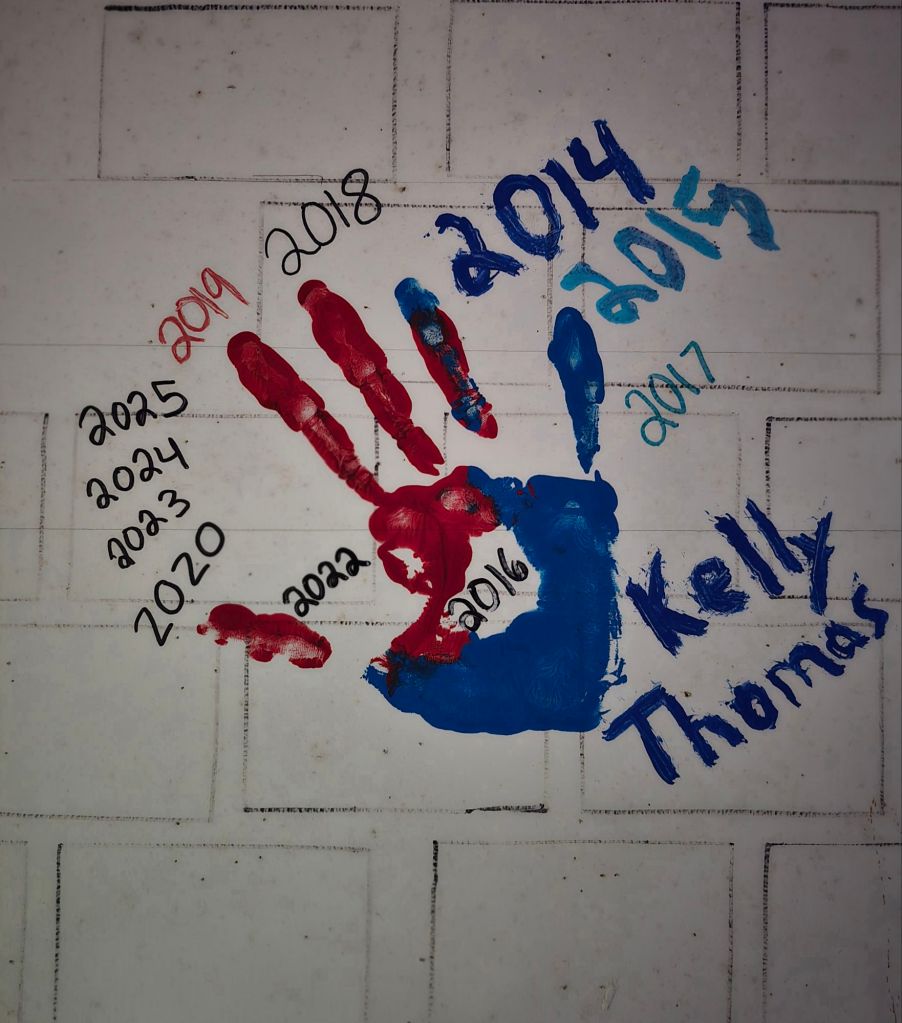
I spent eleven years at camp.
Eleven years is long enough for a place to stop feeling like a destination and start feeling like part of your identity.
It became woven into the rhythm of my life so quietly that I never noticed it happening. Summers were measured by staff week and closing day. My calendar bent around retreats and work weekends. I could drive those mountain roads without thinking because my hands had learned every curve before my mind ever had.
Home stopped being an address.
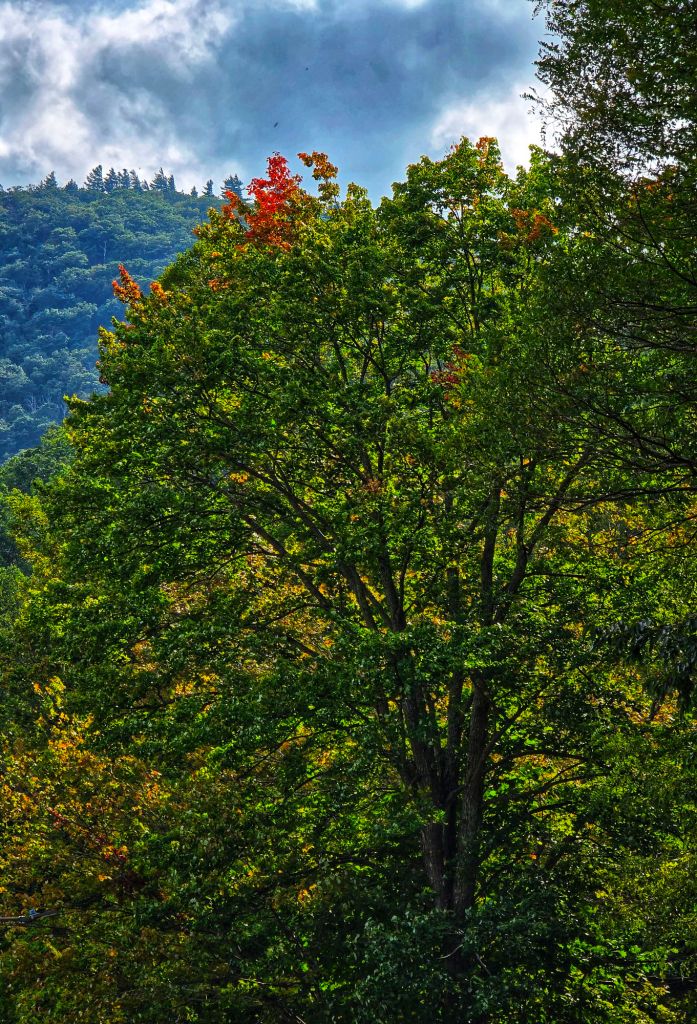
Sometimes it was a gravel road disappearing into the Blue Ridge Mountains.
People ask what I miss, and I never know how to answer.
I could tell them I miss the mountains, and that would be true.
I could tell them I miss hearing laughter echo across camp after the sun went down, or watching the valley disappear beneath morning fog, or the familiar sound of screen doors slamming all summer long.
That would all be true too.
But those aren’t the things that wake me up missing camp.
What I miss is harder to explain.
I miss the certainty.
I miss belonging somewhere so completely that I never questioned whether there was a place for me there.
I miss believing that there would always be another summer.
There is something quietly heartbreaking about discovering that a chapter of your life has ended before your heart has caught up to it.
Your mind knows you’ve left.
Your feet know you don’t drive that road anymore.
But your heart still keeps reaching for something that no longer belongs to your present.
People don’t always understand that kind of grief.
Maybe because the place is still there.
Camp didn’t disappear.
The cabins are still standing.
The campfires are still being lit.
Someone else is making memories in the spaces where mine were made.
Life continued exactly as it was supposed to.
It just continued without me.
I think that’s what has made this loss feel so isolating.
When someone dies, everyone grieves together.
When you leave a place, the world rarely notices.
It doesn’t pause.
It doesn’t ask how you’re doing months later.
It simply expects you to find something else and keep moving.
Maybe I will.
Maybe, someday, another place will feel like home.
But I don’t think that diminishes what camp was.
For eleven years, it held versions of me that no longer exist.
The eager twenty-something who thought she had forever.
The exhausted staff member who ran on coffee and purpose.
The woman who celebrated victories, carried disappointments, cried in quiet places where no one could see, laughed until she couldn’t breathe, and kept showing up because she believed the work mattered.
Those versions of me are still there somehow.
Scattered across those mountains like forgotten wildflowers.
Sometimes I wonder if that’s why leaving hurt so much.
It wasn’t because I was walking away from a place.
It was because I was saying goodbye to every version of myself that had been loved, stretched, broken, healed, and changed there.
People say you can’t go back.
They’re right.
Even if I drove through those gates tomorrow, I couldn’t return to the camp I’m grieving.
Because the place I’m missing isn’t only made of cabins and trails.
It’s made of moments.
Of people.
Of seasons.
Of a younger version of myself who had no idea that one day she’d have to learn how to love a place from a distance.
Maybe that’s what grief really asks of us.
Not to forget.
Not to move on.
But to carry what was beautiful without asking it to become what it used to be.
I’m still learning how to do that.
Some days I do it well.
Other days, I still find myself looking toward the mountains, missing a place that gave me eleven years… and wondering if somewhere, in ways I’ll never fully understand, it is still holding pieces of me too.